
Product Categories
Share With
Excellent topic! Industrial design models are the physical or digital prototypes that bridge the gap between an idea and a mass-produced product. They are essential tools for communication, testing, and decision-making throughout the design process.
Excellent topic! Industrial design models are the physical or digital prototypes that bridge the gap between an idea and a mass-produced product. They are essential tools for communication, testing, and decision-making throughout the design process.
Here’s a comprehensive breakdown of industrial design models, categorized by their purpose and stage in the design process.
Core Purposes of Models:
1. To Communicate: Make an abstract idea tangible for designers, engineers, clients, and investors.
2. To Evaluate & Refine: Test form, ergonomics, proportions, and aesthetics.
3. To Test Function: Validate mechanics, assembly, user interaction, and sometimes basic engineering.
4. To Make Decisions: Serve as a milestone for approval before committing to expensive tooling for production.
---
Types of Models (Traditional to Digital)
1. Conceptual & Form Development Models
· Sketch Models / Mock-ups: Quick, rough, and cheap. Made from foam core, cardboard, clay, foam, or scrap materials. Used to explore basic size, proportion, and "feel" in 3D.
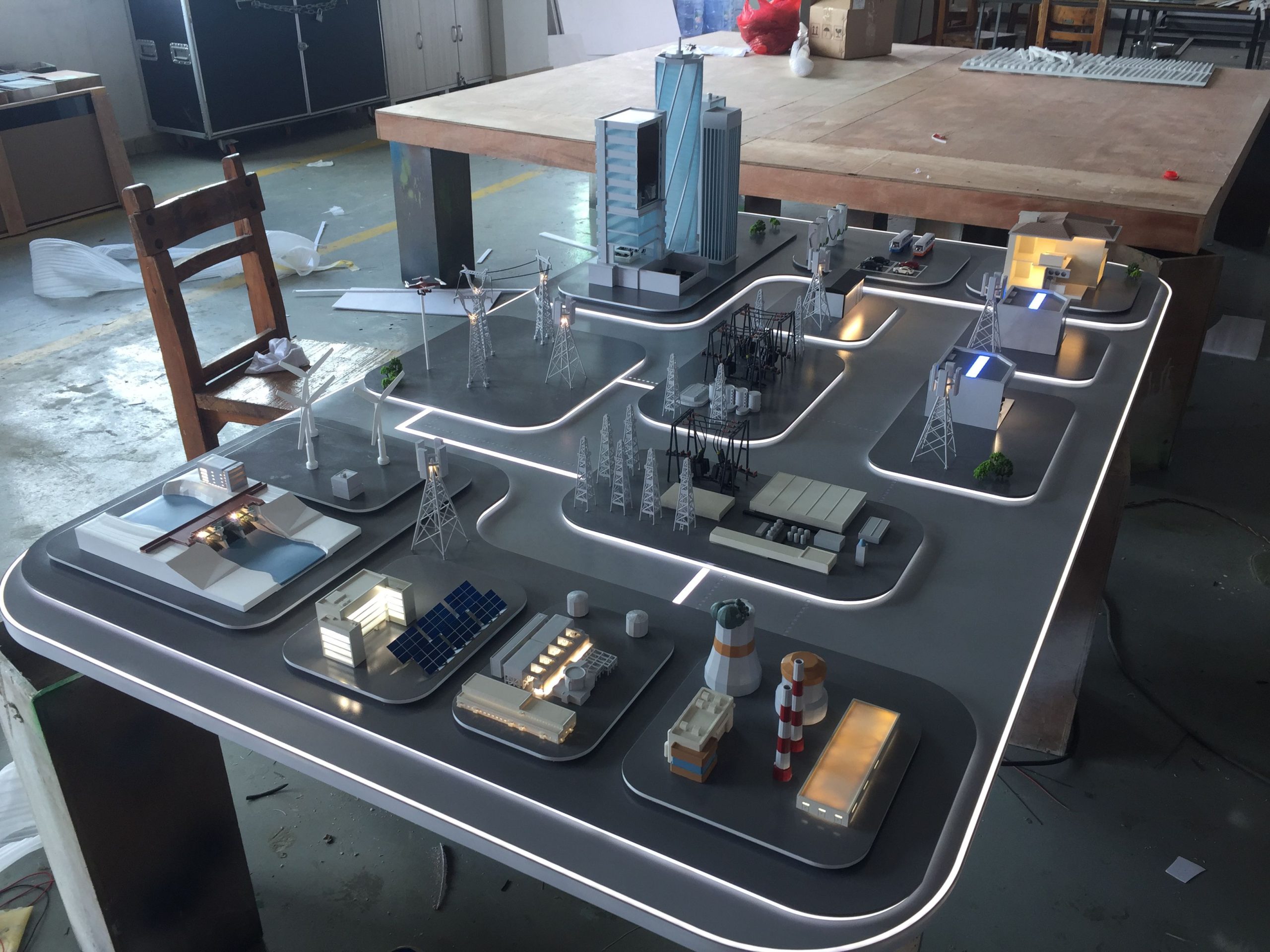
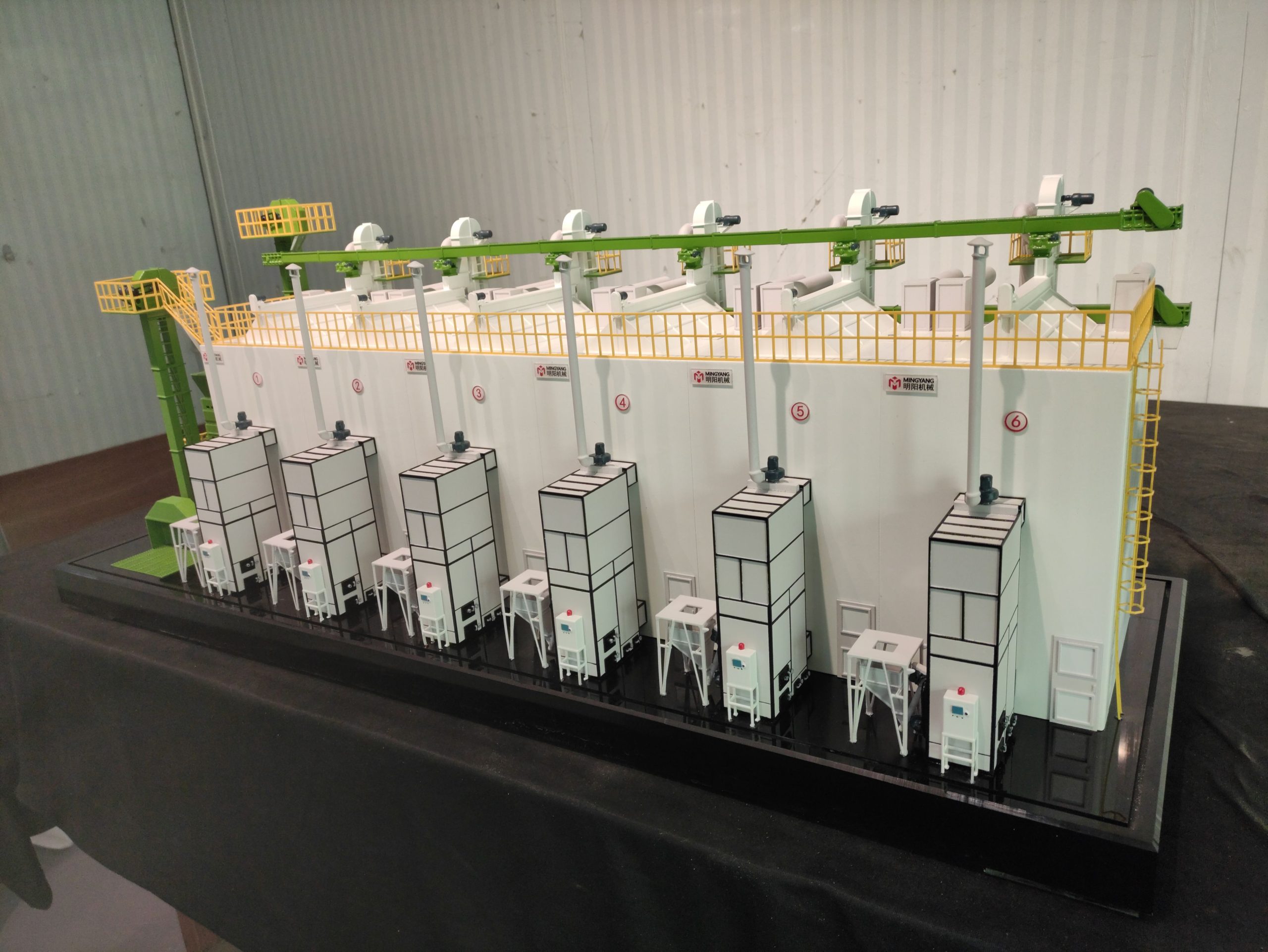
· Appearance Models: Focus purely on aesthetics—shape, color, texture, and finish. Often non-functional but look like the final product. Used for early marketing photos or focus groups.
2. Functional & Prototyping Models
· Proof-of-Concept Prototypes: Ugly but functional. Built to test a specific mechanism or technical feasibility (e.g., will the folding mechanism work?).
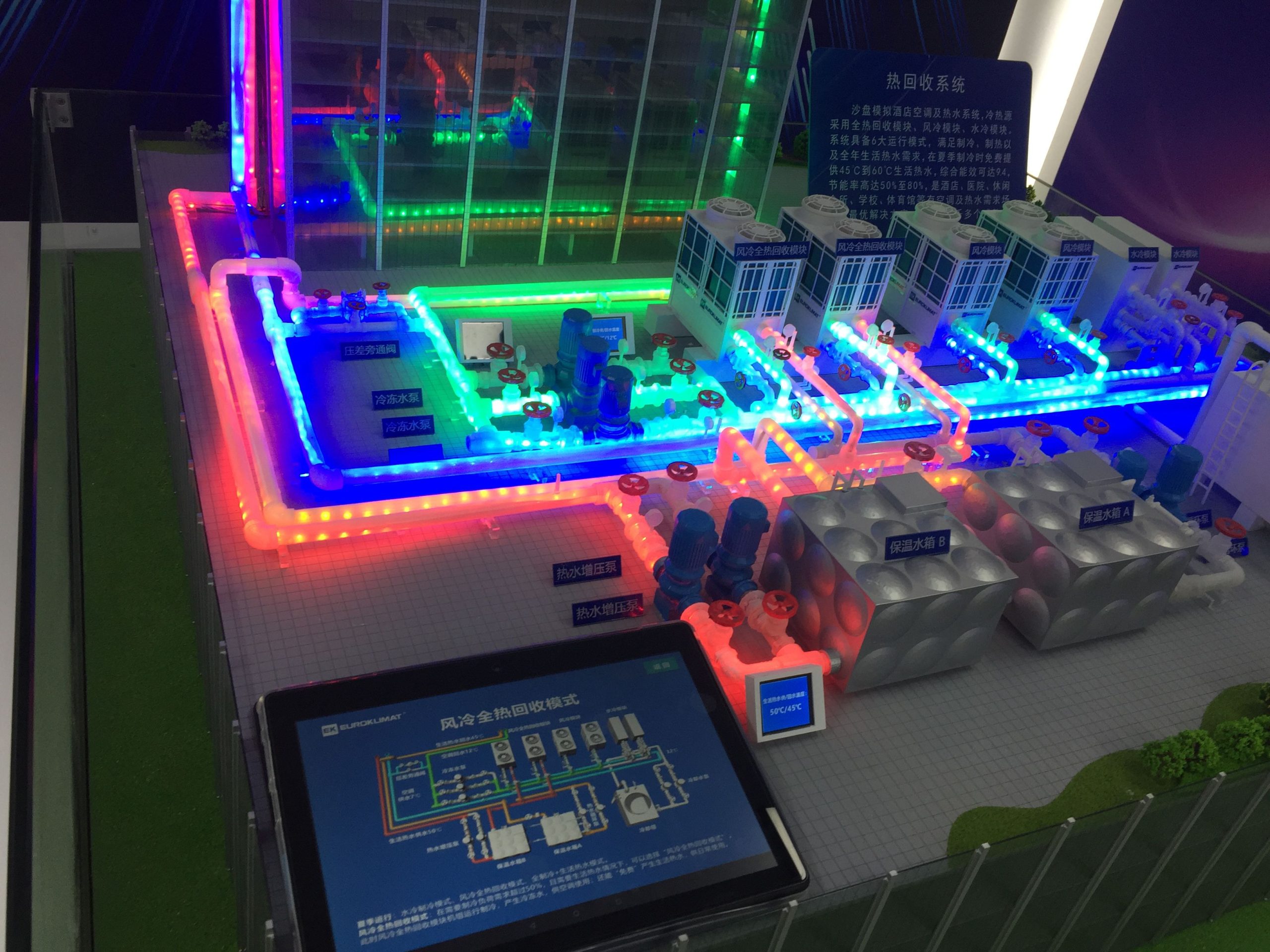
· Working Prototypes: Incorporate both form and function as closely as possible to the final design. Often uses a mix of off-the-shelf parts and custom-made components (e.g., 3D printed enclosures with Arduino boards inside).
· Ergonomics Models: Focus on human interaction. Made to test grip, comfort, button placement, and user interface. Often used in user testing sessions.
3. Pre-Production & Presentation Models
· Looks-Like / Works-Like Prototypes: The gold standard before production. Combines the intended final aesthetics with the complete (or near-complete) functionality. Extremely valuable for final validation.
· Pre-Production Samples / Engineering Validation Test (EVT) Units: The first parts off the actual production tooling (molds, etc.). Used to verify manufacturing quality and perform final rigorous tests.
---
Modern Model-Making Methods & Technologies
Method Best For Materials Speed/Cost
Handcrafting (Foam, Clay, Cardboard) Early ideation, organic forms, large-scale models (e.g., car exteriors). Foam, clay, wood, plaster. Slow, artisanal, moderate cost.
CNC Machining High-precision, functional parts from solid blocks. Excellent surface finish. Wood, foam, engineering plastics (ABS, PMMA), soft metals. Medium speed, high cost for machines, but great for 1-off precise parts.
3D Printing / Additive Manufacturing The dominant tool today. Complex geometries, internal structures, rapid iteration. Resins (SLA/DLP for detail), Plastic filaments (FDM for durability), Nylon powder (SLS for strength). Very fast for iteration, cost-effective for complexity.
Vacuum Casting (Urethane Casting) Creating small batches (10-50) of high-quality, multi-material parts from a 3D printed master. Polyurethane resins (can mimic ABS, rubber, transparent parts). Medium speed, moderate cost for batch production.
Digital Models (CAD & Rendering) The "virtual model." Used for exploration, engineering, and photorealistic visualization before anything is physically built. N/A (Digital Data) Extremely fast to iterate digitally. No physical cost until rendering or fabrication.
The Model-Making Workflow in a Typical Project:
1. Ideation: Sketch Models (foam/cardboard) + Digital Sketches.
2. Concept Development: Refined Appearance Models (3D printed or hand-sculpted) + Detailed 3D CAD.
3. Design Refinement: Working Prototypes (3D printed with electronics) for user testing.
4. Engineering & Validation: "Looks-Like/Works-Like" Prototypes (often using a combination of CNC, 3D printing, and hand assembly).
5. Pre-Production: EVT Units from actual tooling.
Why Physical Models Are Still Crucial in the Digital Age:
· Tactile Truth: A screen image can hide flaws. Holding a model reveals true proportions, weight, balance, and texture in a way pixels cannot.
· Unforeseen Insights: You discover problems and opportunities you never anticipated in CAD.
· Universal Communication: Anyone, regardless of technical knowledge, can understand and react to a physical object.
· User Testing: You cannot put a CAD model in a user's hands to see how they intuitively interact with it.
Career Perspective: Industrial Design Model Maker
While many designers now make their own quick models (thanks to 3D printers), professional model makers are still highly skilled specialists. They are masters of materials, processes, and finishing techniques (painting, texturing, polishing) who create the flawless presentation models seen at product launches.
In summary, industrial design models are not just "miniatures of the product." They are a language and a testing ground, evolving from rough, exploratory sketches in 3D to near-perfect replicas that de-risk the enormous investment of mass production. The tools have changed from mainly manual to heavily digital/fabrication-based, but the core purpose remains unchanged: to make ideas real.
Read More