Product Categories
Share With
Engineering & Architectural Models: Used to visualize concepts, test designs (wind tunnels, water tanks), and present to clients.
Engineering & Architectural Scale Models
These are highly functional models used for design, analysis, communication, and decision-making in professional contexts. They bridge the gap between abstract plans and physical reality.
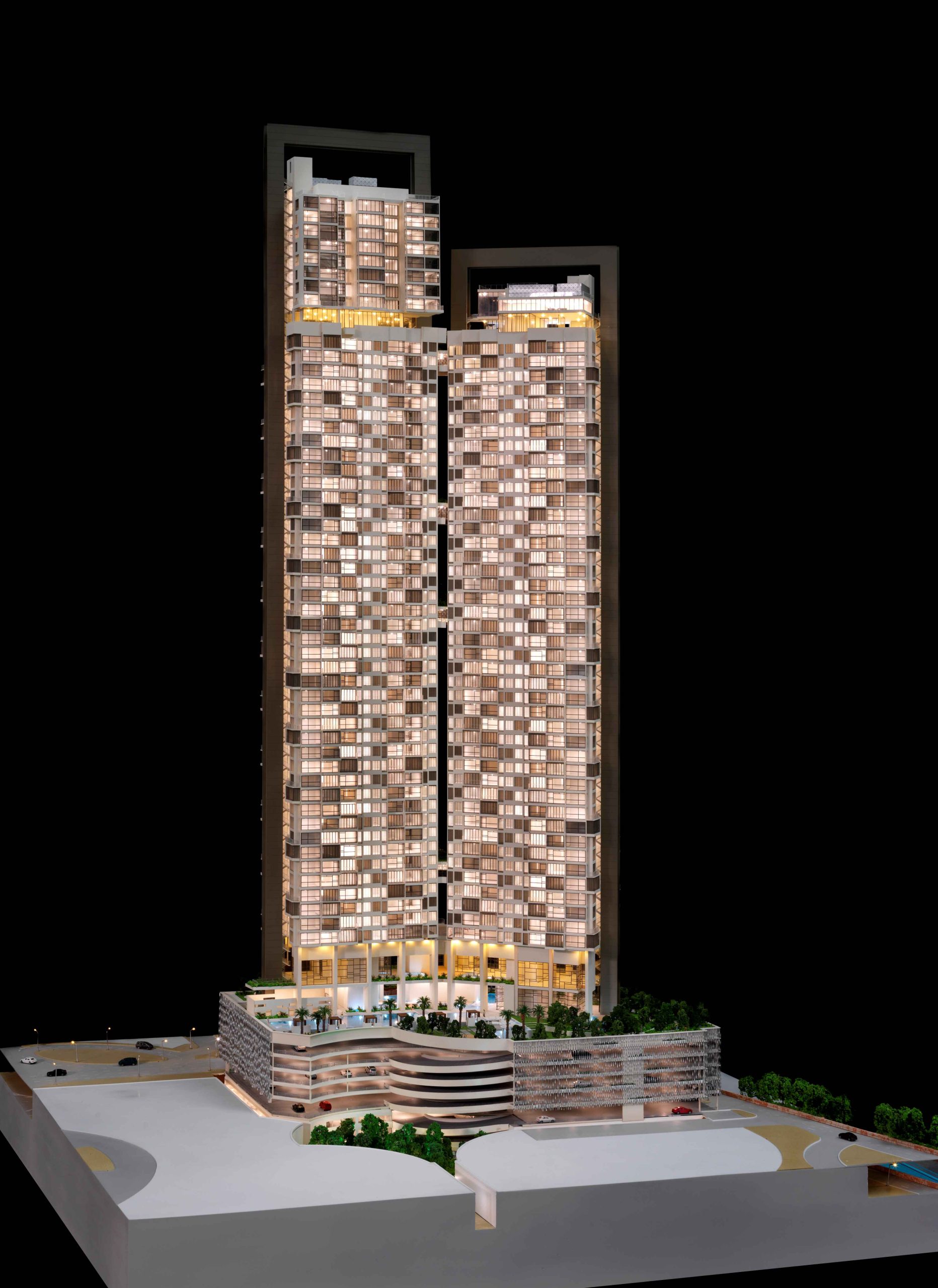
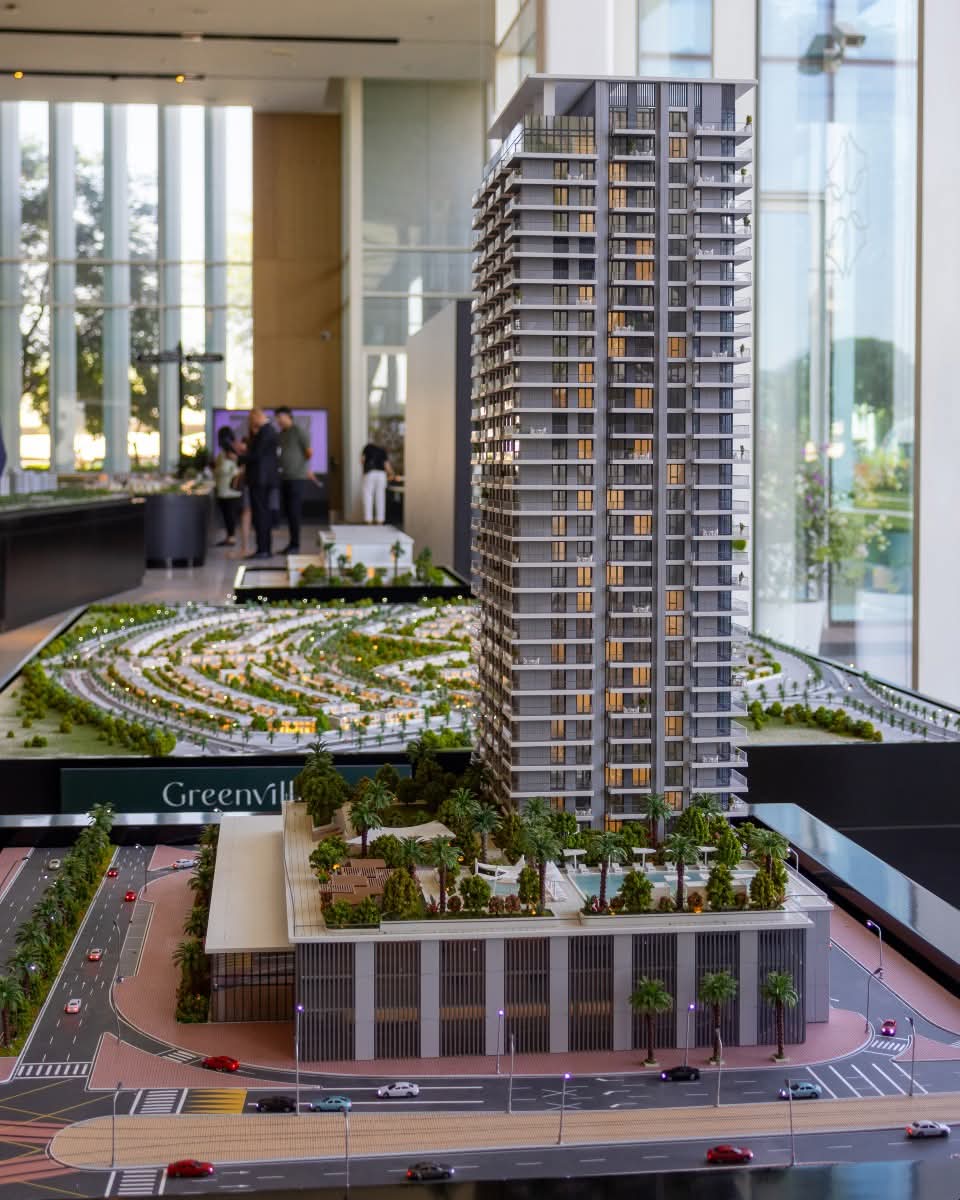
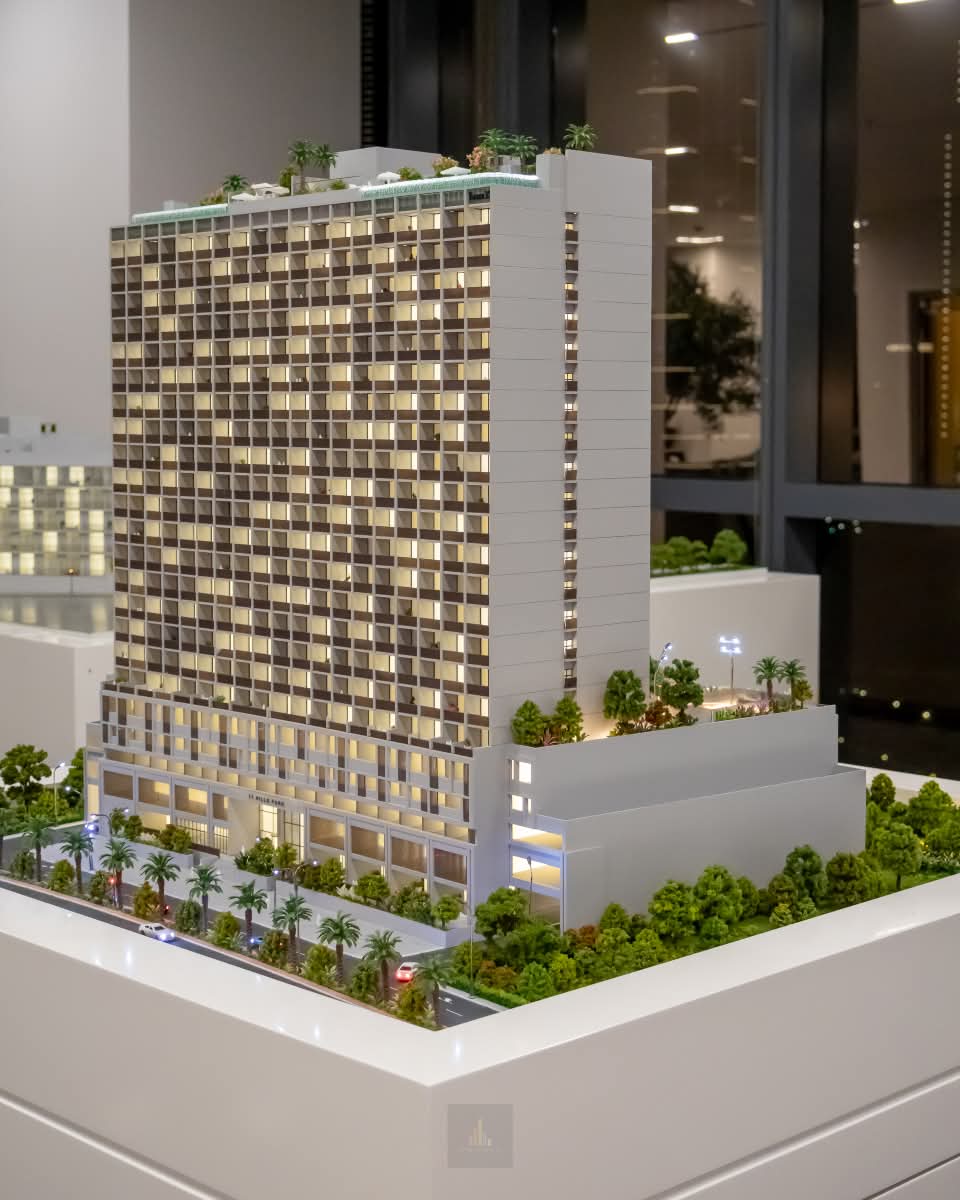
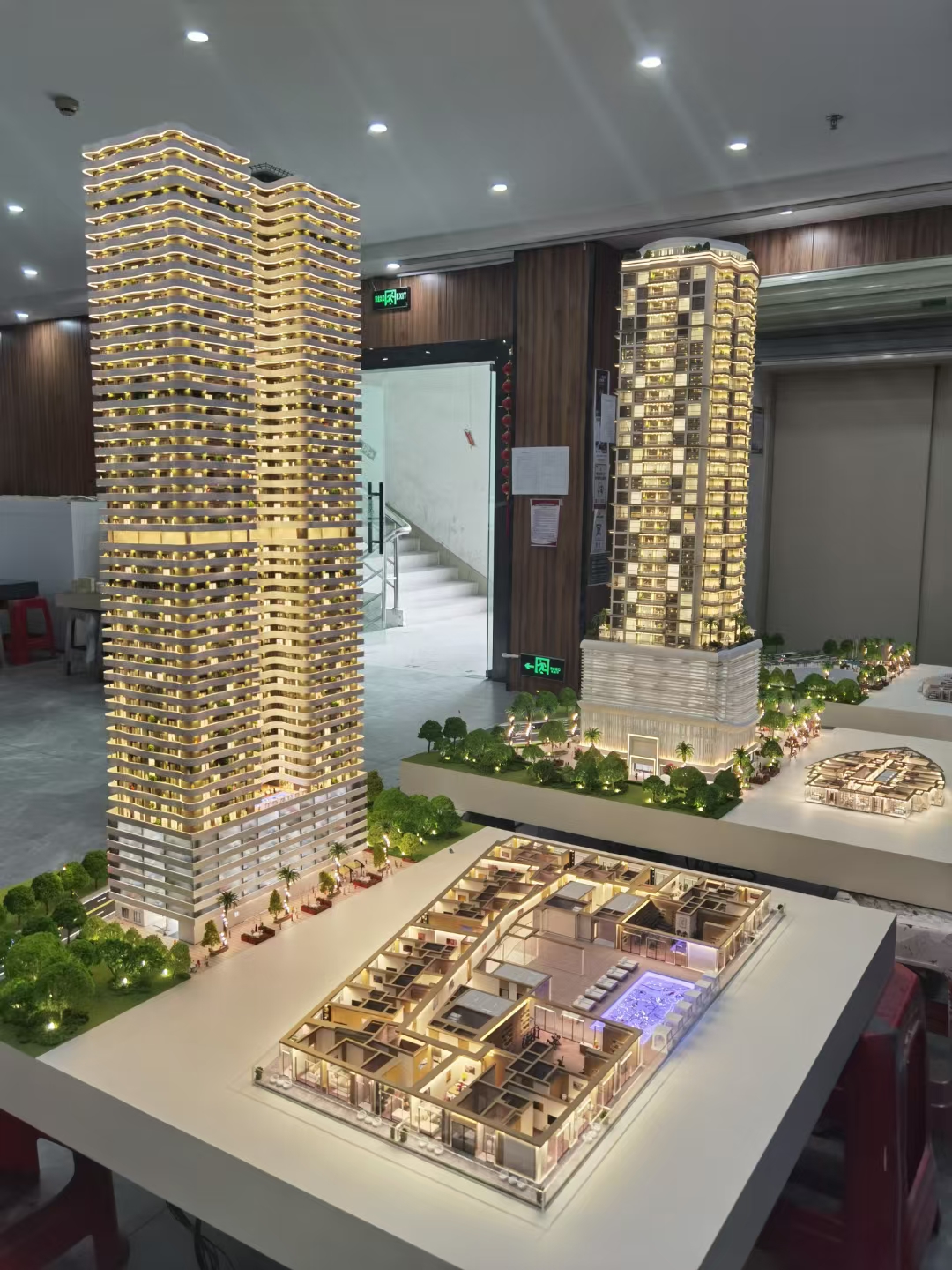
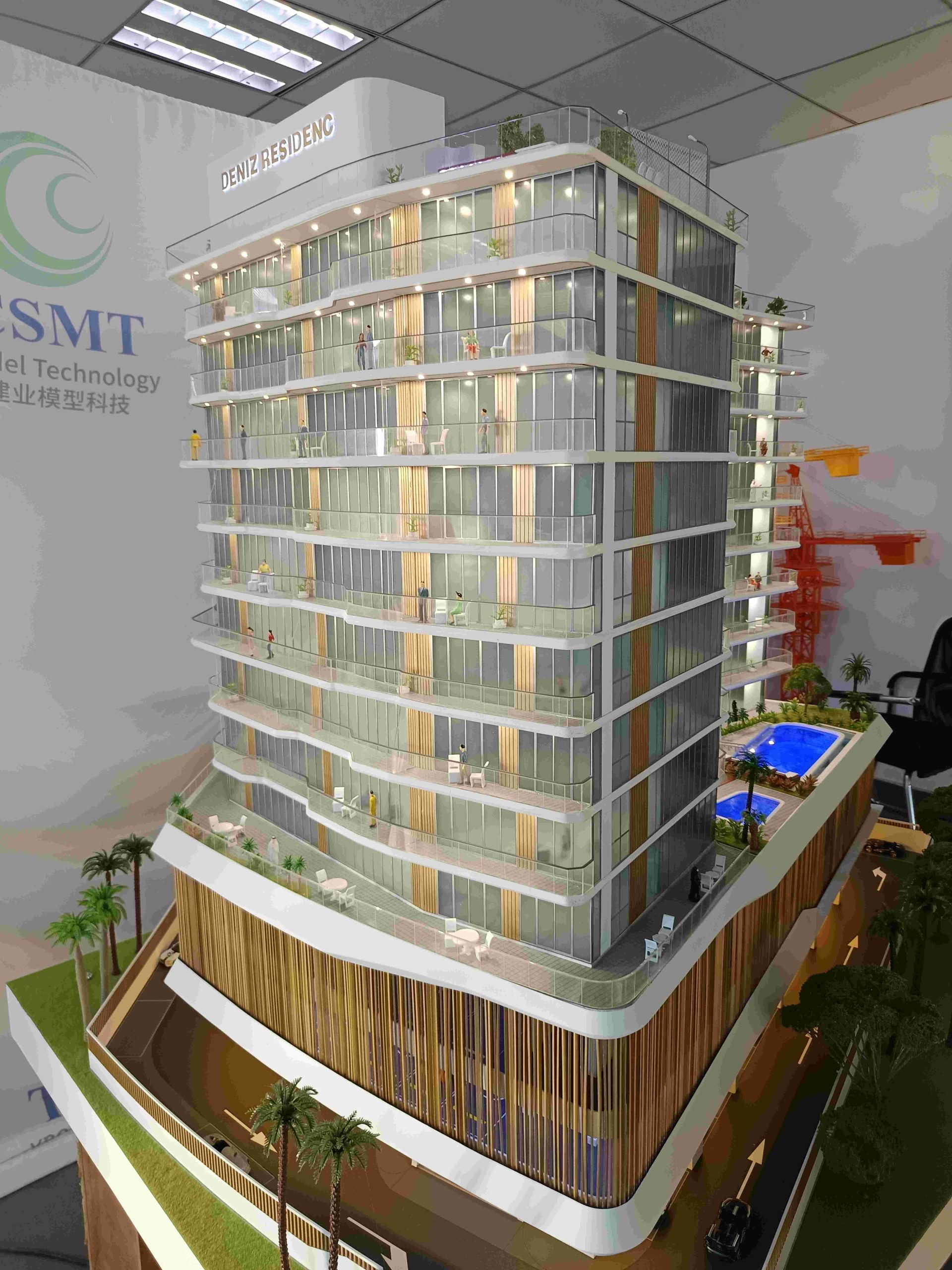
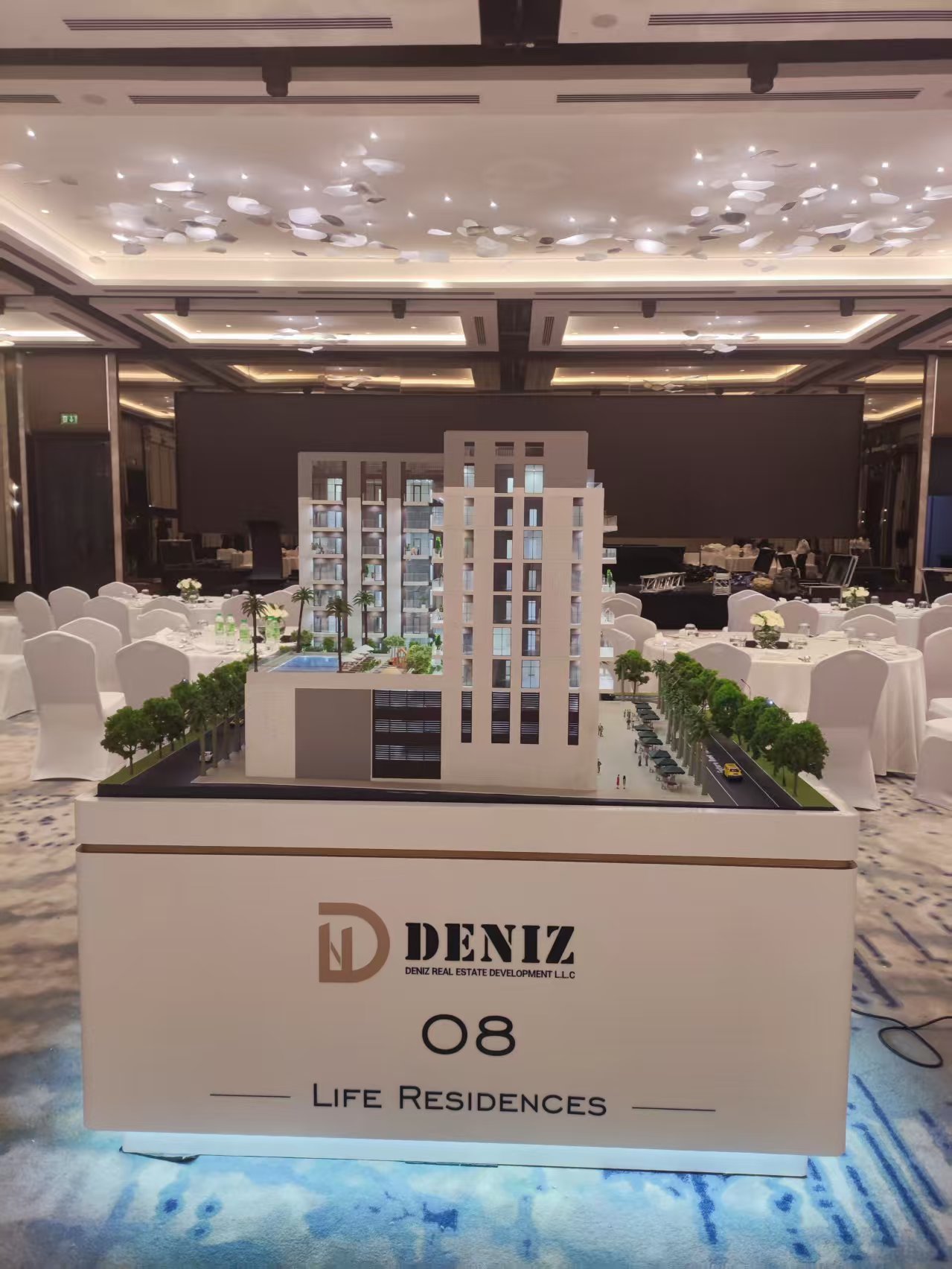
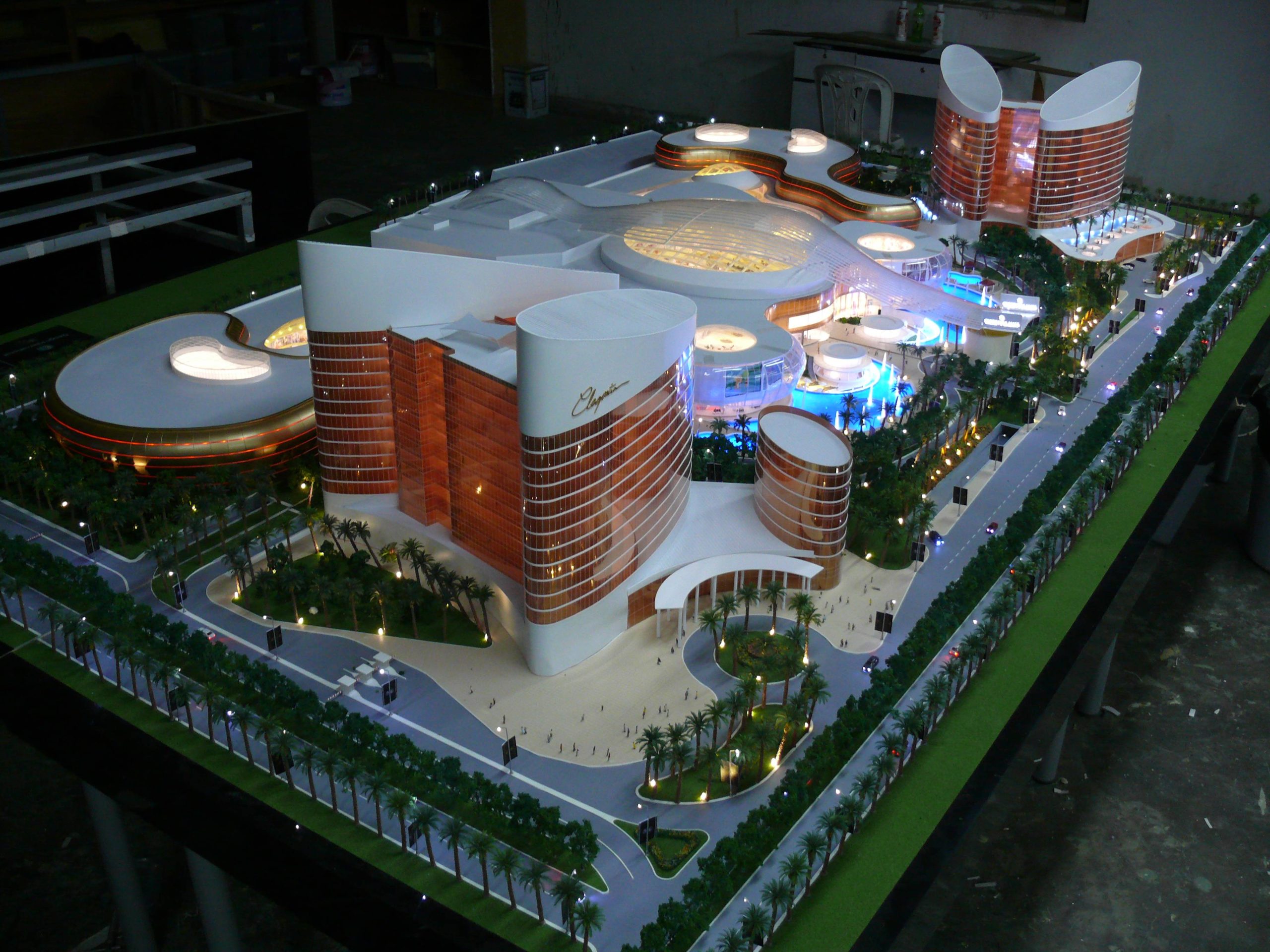
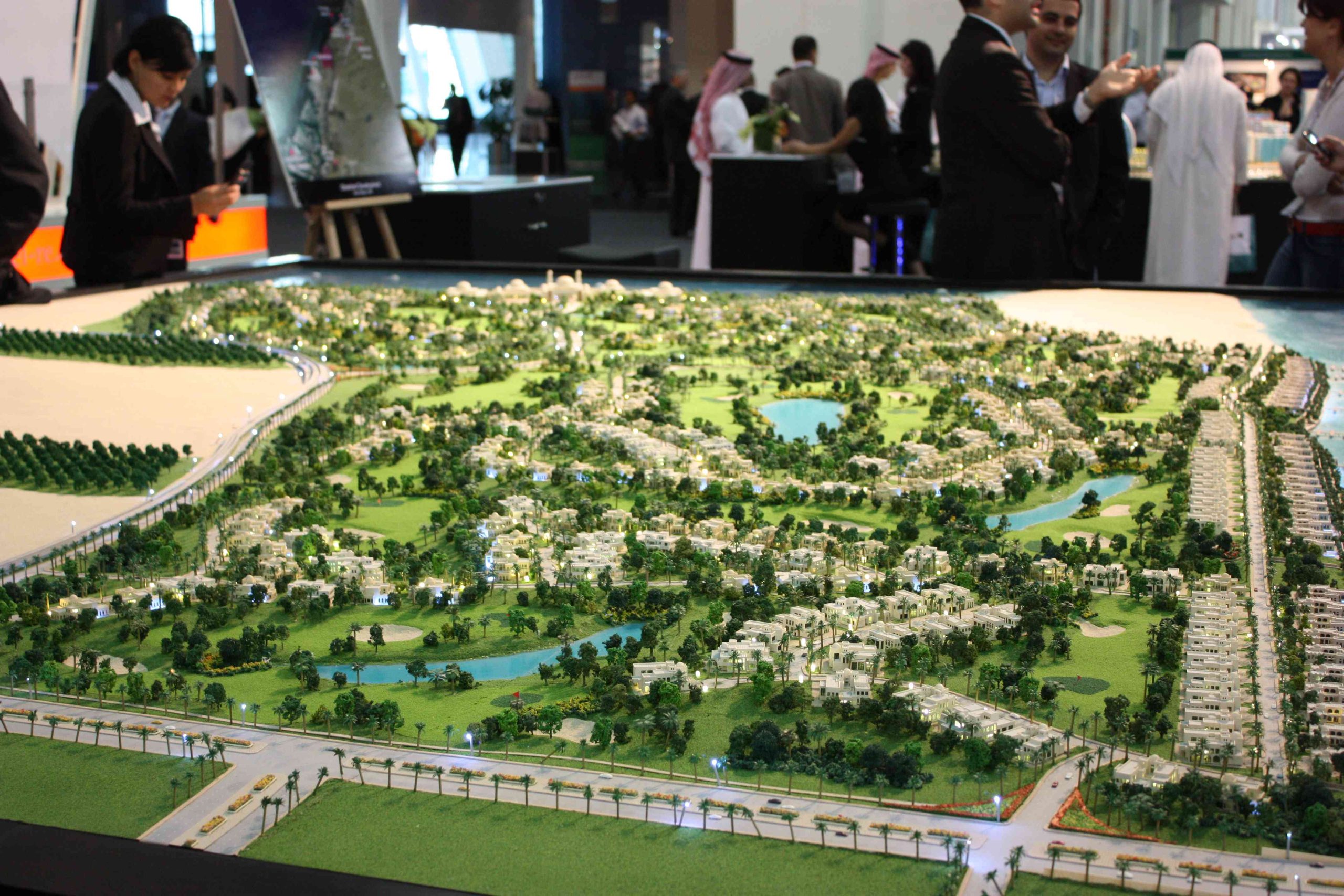
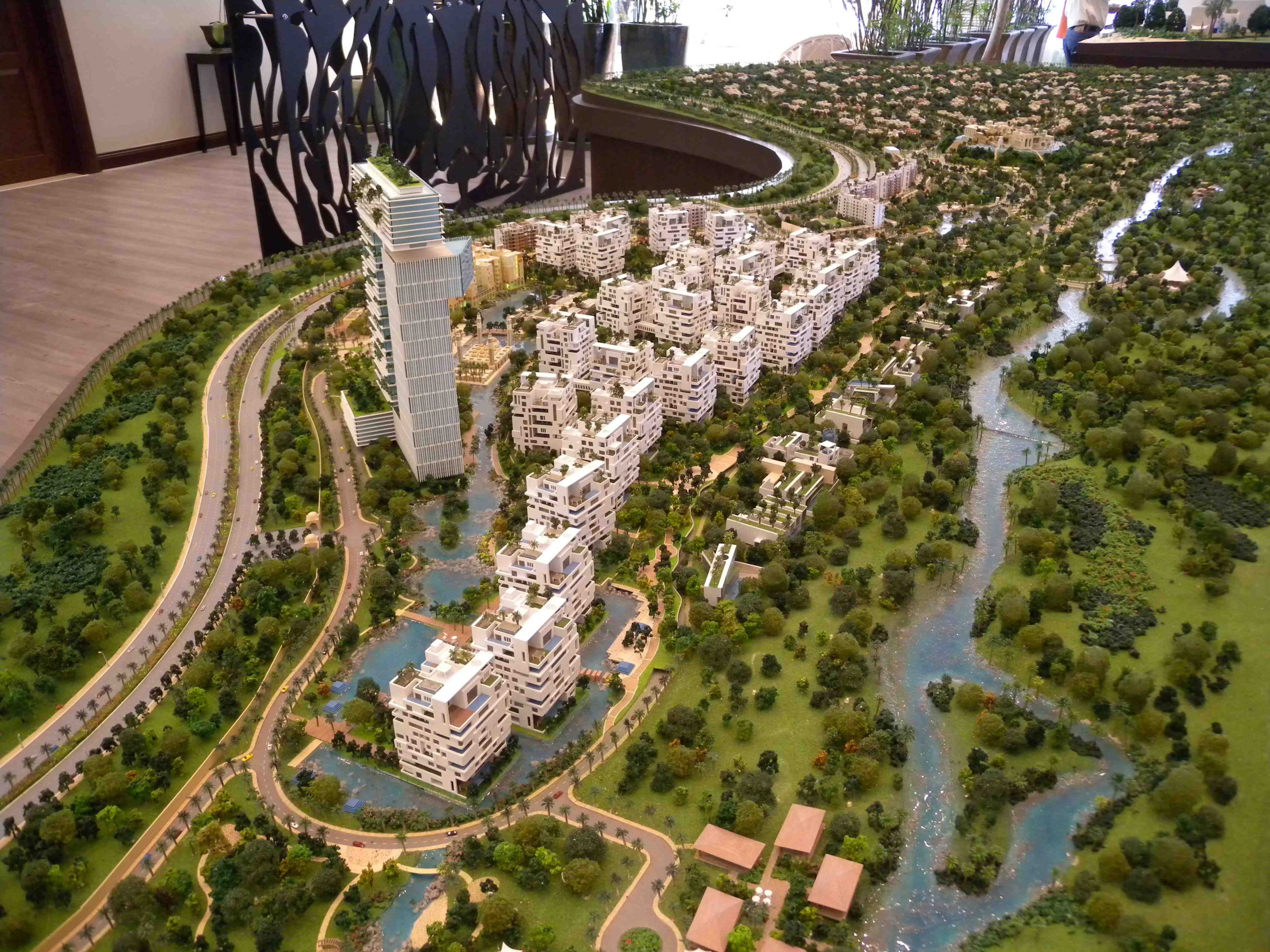
ARCHITECTURAL MODELS
Used to represent buildings, urban plans, landscapes, and interiors.
Purposes:
· Client Presentation: Help non-technical clients visualize the final product.
· Design Development: Study massing, proportions, spatial relationships, and light/shadow.
· Planning Approval: Submit to municipal authorities for permits and zoning approval.
· Marketing & Sales: Showcase developments to potential buyers or investors.
· Fundraising: Tangible representation for securing project funding.
Types by Detail Level:
Type Description Common Scales Typical Use
Massing/Block Model Simplest form; shows basic volumes and site context. 1:500, 1:1000 Early design studies, urban planning
Design Development Model Includes facade details, materials, basic landscaping. 1:200, 1:100 Client reviews, design refinement
Presentation Model Highly detailed, finished surfaces, furniture, people, trees. 1:100, 1:50, 1:25 Final client presentations, marketing
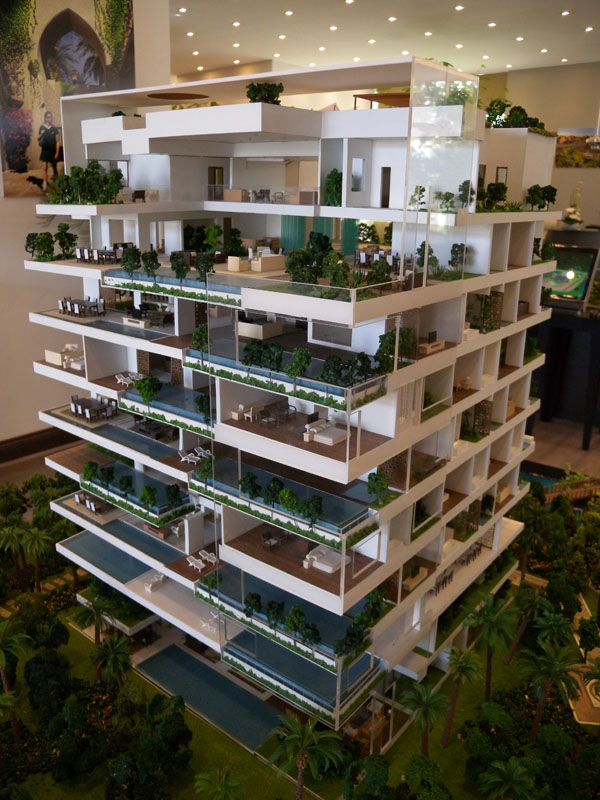
Interior Model Focuses on interior spaces, finishes, lighting, furnishings. 1:50, 1:25, 1:20 Interior design, spatial experience
Site/Topographic Model Emphasizes terrain, landscaping, water features, grading. 1:500, 1:250 Landscape architecture, civil planning
Section/Cutaway Model Shows interior layout and structural systems. 1:50, 1:20 Educational, structural demonstration
Common Scales:
· Urban Planning: 1:1250, 1:1000
· Site Plans: 1:500, 1:250
· Building Exteriors: 1:200, 1:100
· Building Interiors: 1:50, 1:25
· Detail Models: 1:10, 1:5, 1:1 (full-size mockups)
Materials & Techniques:
· Traditional: Basswood, balsa, acrylic, foam board, chipboard, museum board
· Digital Fabrication: Laser cutting (for precise facade details), 3D printing (for complex geometries), CNC routing (for topography)
· Finishes: Paint, veneers, textured papers, photographic facades
· Context: Acrylic for water, foam for terrain, model trees/vehicles/people
ENGINEERING MODELS
Used to test, validate, and demonstrate engineering principles and designs.
Types by Function:
1. Functional/Working Models
· Purpose: Test mechanical operation, kinematics, or basic function
· Examples: Gear mechanisms, moving bridge sections, operable doors
· Materials: Often mixed - plastics, metals, simple motors
2. Wind Tunnel Models
· Purpose: Analyze aerodynamic properties (drag, lift, turbulence)
· Key Features: Must be aerodynamically smooth, structurally rigid
· Scales: Vary widely; often partial models (just wings/fuselage)
· Materials: High-density foam, fiberglass, metal, with internal strain gauges
3. Water/Wave Tank Models
· Purpose: Study hydrodynamics, coastal erosion, ship performance
· Examples: Harbor designs, ship hulls, offshore platforms
· Scales: Governed by Froude scaling laws for fluid dynamics
· Materials: Fiberglass, wax, waterproof coatings
4. Structural/Stress Analysis Models
· Purpose: Visualize load paths, test structural concepts
· Examples: Bridge trusses, building frames, space structures
· Materials: Brass rod, plastic, sometimes with load sensors
5. Process/Industrial Plant Models
· Purpose: Plan complex industrial layouts, pipe routing, safety access
· Scales: 1:100, 1:50, 1:25
· Materials: Acrylic pipes, colored rods, detailed equipment representations
6. Geophysical Models
· Purpose: Study earthquake effects, soil mechanics, geological formations
· Examples: Shake-table models of buildings, river delta formations
· Materials: Layered soils, embedded sensors, transparent sides for observation
Scaling Laws (Critical for Engineering Models)
Unlike architectural models where only geometric scale matters, engineering models must obey physical scaling laws:
Phenomenon Governing Law Scale Relation Implication
Geometry Geometric Similarity All lengths scale by L Straightforward
Time Kinematic Similarity t ∝ L Time scales with length
Gravity Froude Number (Fr) Velocity: v ∝ √L Critical for ships, waves
Elasticity Cauchy Number Stress ∝ 1 Difficult to achieve
Fluid Dynamics Reynolds Number (Re) Velocity: v ∝ 1/L Often requires special fluids
Thermal Fourier Number Time: t ∝ L² Heat transfer timing scales with square of size
This is why wind tunnel models are often tested at different air pressures or ship models are tested in special facilities to maintain proper scaling.
DIGITAL TRANSITION & HYBRID APPROACH
Digital Models (BIM/CAD)
· Building Information Modeling (BIM): Virtual 3D models with embedded data (materials, costs, schedules)
· Advantages: Easy modification, data-rich, clash detection, energy analysis
· Limitation: Lack of tangible, physical presence for clients
Hybrid Workflow:
1. Digital Design in CAD/BIM software
2. Rapid Prototyping of key elements via 3D printing
3. Laser Cutting of facade elements files
4. CNC Milling of topography from digital terrain models
5. Hand Assembly and finishing of the physical model
Advanced Technologies:
· 3D Printing: For complex geometries, intricate details
· Laser Cutting: For precise, repetitive elements (windows, facades)
· Augmented Reality (AR): Overlaying digital information on physical models
· Interactive Models: With embedded lighting, touchscreens, moving parts
PROFESSIONAL PRACTICE
Who Creates Them?
· Specialist Model Making Firms: Dedicated workshops with specialized craftspeople
· In-House Model Shops: At large architecture/engineering firms
· University Workshops: For academic projects and research
· Individual Freelancers: Specializing in specific model types
Cost Factors:
· Size & Scale: Larger models cost exponentially more
· Level of Detail: Fine details increase labor time dramatically
· Materials: Transparent acrylic, custom 3D prints add cost
· Timeframe: Rush jobs command premium pricing
· A typical architectural presentation model for a medium-sized building can range from $5,000 to $50,000+
Best Practices:
1. Start Simple: Begin with massing models, add detail progressively
2. Consider Viewpoints: Model for the expected viewing angles/distances
3. Simplify Strategically: Detail only what's necessary for the model's purpose
4. Plan for Transport: Design in sections if model will travel
5. Lighting Matters: Consider how lighting will affect presentation
ENDURING VALUE
Despite advanced digital visualization, physical scale models remain indispensable because they:
· Provide True Spatial Understanding: Depth perception and scale are naturally perceived
· Are Universally Understandable: Clients, committees, and the public grasp them intuitively
· Facilitate Collaboration: Teams can gather around and discuss a physical object
· Create Emotional Connection: Tangible objects generate stronger responses than screens
· Serve as Historical Records: Physical artifacts of design process (unlike outdated digital files)
The most effective design processes often use both digital and physical models at appropriate stages, recognizing that each medium offers unique advantages for communication, analysis, and decision-making.